
Fashion has always been more than clothing—it’s an expression of culture, identity, and personal values. Yet, behind the glamour of runways and the affordability of mass-produced apparel, the fashion industry has carried a heavy environmental cost. Over the past few decades, the rise of fast fashion has reshaped the way people consume clothing, creating a culture of disposability. But as awareness of environmental and ethical issues grows, the world is seeing a significant shift: the rise of sustainable fashion. This transition marks one of the most transformative movements in modern consumer culture, blending creativity with responsibility.
Understanding Fast Fashion
Fast fashion refers to the rapid production of inexpensive clothing, designed to mimic current trends and encourage constant consumer turnover. Brands in this sector thrive on volume, offering weekly or even daily new arrivals at low prices. While this model has made fashion more accessible, it has also created several challenges:
- Environmental Impact: The fast fashion industry is one of the largest polluters globally, contributing to textile waste, water pollution, and excessive carbon emissions. The use of non-biodegradable synthetic fibers like polyester worsens the crisis.
- Waste and Overconsumption: Clothes are worn fewer times before being discarded. According to research, the average consumer today buys 60% more items of clothing than 15 years ago but keeps each garment only half as long.
- Labor Exploitation: Low costs often come at the expense of workers in developing nations, where unsafe working conditions and unfair wages are common.
Fast fashion thrives on speed and cheap production, but its social and ecological costs have made it increasingly controversial.
The Birth of Sustainable Fashion
The rise of sustainable fashion is largely a response to these concerns. Sometimes referred to as slow fashion, it prioritizes quality, ethical production, and environmentally friendly practices. The movement gained momentum in the late 1990s and early 2000s, fueled by growing awareness of climate change, labor exploitation, and the need for mindful consumerism.
Several key factors have driven this rise:
- Environmental Awareness
Climate change discussions and documentaries exposing the damage caused by fast fashion have awakened consumers to the need for change. Campaigns like the Fashion Revolution—launched after the 2013 Rana Plaza collapse in Bangladesh—put pressure on brands to embrace responsibility. - Conscious Consumerism
Millennials and Gen Z, who form the bulk of today’s fashion market, are particularly driven by values. They prefer brands that align with sustainability, transparency, and ethical production. - Technological Innovation
Advancements in eco-friendly fabrics—such as organic cotton, hemp, bamboo, and recycled polyester—have made sustainable clothing more accessible. Innovations in textile recycling are also helping reduce waste. - Circular Economy Movement
The concept of a circular fashion economy—where clothes are designed to be reused, recycled, or resold—has gained traction. Thrifting, rental services, and resale platforms like Depop, Poshmark, and The RealReal have flourished, further reducing waste.
Characteristics of Sustainable Fashion
Sustainable fashion is not just about eco-friendly fabrics; it encompasses a wide range of practices designed to reduce harm and create positive impact:
- Ethical Production: Ensuring safe working conditions, fair wages, and respect for human rights in supply chains.
- Eco-Friendly Materials: Using organic fibers, recycled fabrics, and innovative biodegradable textiles.
- Durability and Quality: Producing garments that last longer, reducing the need for constant replacement.
- Minimal Waste: Adopting zero-waste design techniques and upcycling leftover materials.
- Transparency: Brands openly sharing details about sourcing, production, and environmental impact.
The Role of Consumers
The shift toward sustainable fashion cannot be achieved by brands alone—it requires a transformation in consumer behavior. Individuals are embracing practices such as:
- Buying Less, Choosing Better: Opting for timeless, high-quality pieces instead of short-lived trends.
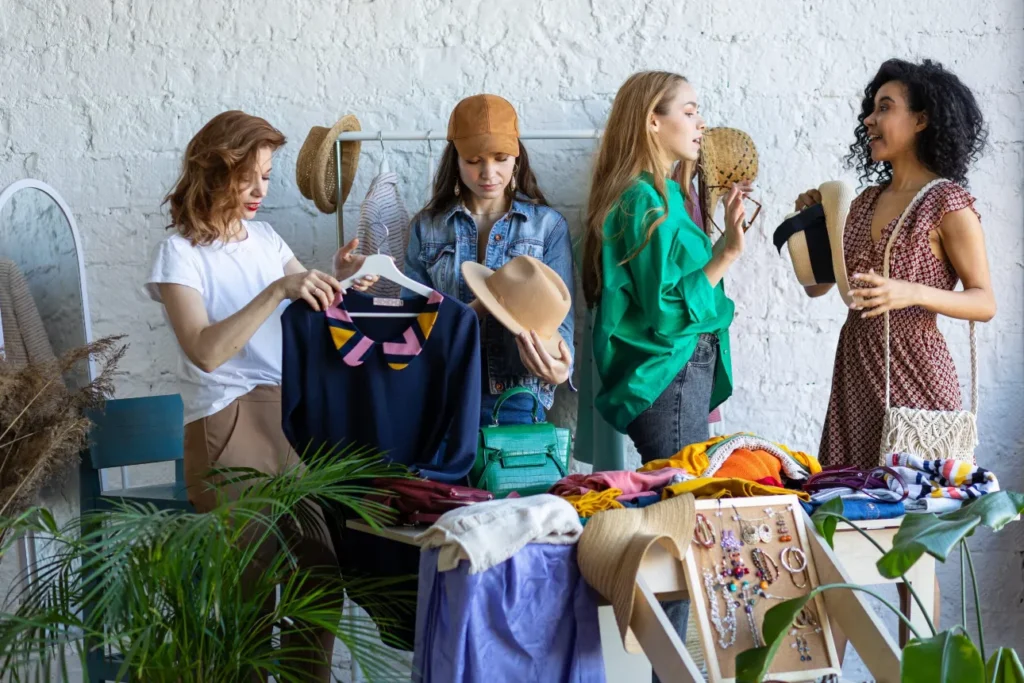
- Thrifting and Second-Hand Shopping: Vintage stores and resale platforms are not only eco-friendly but also offer unique fashion finds.
- Clothing Rentals: Renting outfits for special occasions reduces one-time-use waste.
- DIY and Upcycling: Repurposing old garments into new designs fosters creativity while extending the life of clothes.
- Supporting Ethical Brands: Consumers are increasingly researching and supporting companies committed to sustainability.
This change reflects a broader cultural shift toward mindful living, where fashion becomes part of a conscious lifestyle rather than a disposable habit.
Brands Leading the Sustainable Fashion Movement
While some fast fashion giants have been criticized for “greenwashing”—marketing themselves as sustainable without real action—many brands are genuinely transforming their business models.
- Patagonia
Often considered a pioneer, Patagonia promotes environmental activism, repairs old clothing, and uses recycled materials in its products. - Stella McCartney
A luxury brand that has consistently avoided leather and fur while innovating in sustainable textiles. - Reformation
Known for stylish, trend-forward designs made with eco-friendly practices and radical supply chain transparency. - Allbirds
A footwear company using natural materials like merino wool and eucalyptus fiber, with a focus on carbon neutrality. - H&M Conscious Collection
Though part of a fast-fashion giant, H&M’s sustainability initiatives have introduced eco-friendly fabrics to the mass market, helping make sustainable options more affordable.
These examples demonstrate how both luxury and mainstream brands are adapting to consumer demand for eco-friendly practices.
The Challenges Ahead
Despite progress, the road to a fully sustainable fashion industry is complex. Key challenges include:
- Affordability: Sustainable clothing often costs more, making it less accessible for many consumers.
- Greenwashing: Some brands exploit sustainability as a marketing tool without implementing genuine change.
- Scale of Demand: The global demand for clothing continues to grow, placing immense pressure on resources.
- Infrastructure for Recycling: Textile recycling systems are still underdeveloped in many parts of the world.
Overcoming these barriers requires collaboration among governments, businesses, and consumers to establish clear standards and accountability.
The Future of Sustainable Fashion
The future of fashion lies in striking a balance between creativity, accessibility, and responsibility. Some emerging trends suggest where the industry is headed:
- Digital Fashion: Virtual clothing for avatars and online spaces reduces physical waste while satisfying fashion’s demand for novelty.
- Biodegradable Fabrics: Innovations like mushroom leather and lab-grown textiles promise a more sustainable material base.
- On-Demand Production: Made-to-order models could reduce waste by avoiding mass overproduction.
- Blockchain Transparency: Using blockchain to track and verify supply chains may ensure greater accountability.
- Government Regulation: Increasingly, laws are being proposed to regulate textile waste and enforce corporate sustainability reporting.
If these trends continue, sustainable fashion could transition from a niche movement to the industry standard.
Conclusion
The rise of sustainable fashion reflects a broader cultural awakening. Consumers, brands, and governments are realizing that fashion cannot continue to thrive at the expense of the planet and its people. The transition from fast fashion to eco-friendly trends is not just about clothing—it is about redefining values, embracing responsibility, and building a future where style and sustainability coexist.
Fashion, at its best, tells stories and reflects human creativity. Now, it also tells a story of resilience, innovation, and responsibility. By choosing sustainable options, consumers are not just buying clothes; they are investing in a healthier planet and a fairer future.