
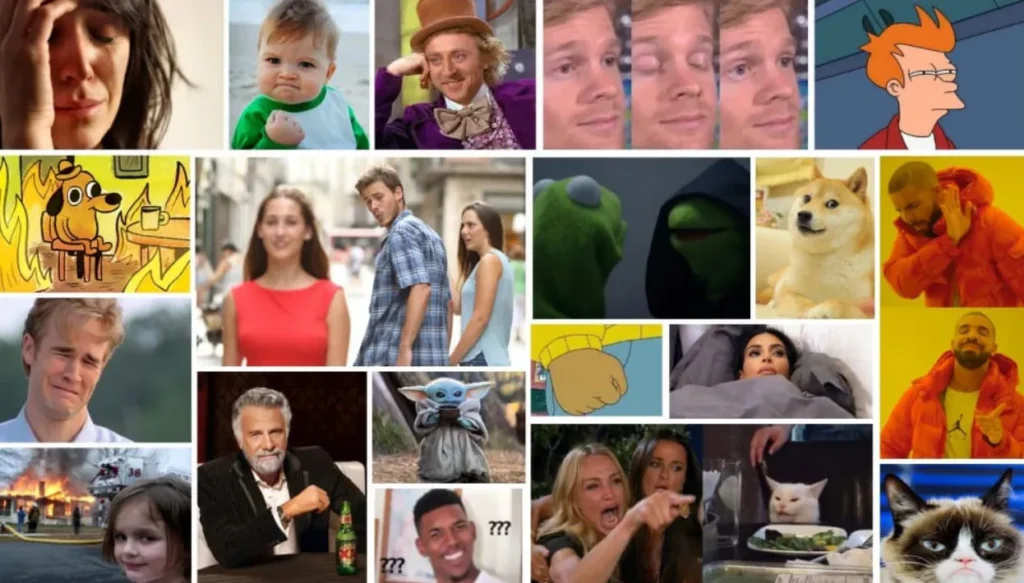
The internet has revolutionized how we consume and respond to news. What once began as headlines in newspapers or breaking news on television has now become instantly shareable, remixable, and meme-worthy content across platforms like Twitter (X), Instagram, TikTok, and Reddit. In this ecosystem, trending news doesn’t just inform people—it transforms into cultural artifacts. A viral tweet or a TikTok parody can spread faster than traditional journalism, and memes born from current events can grow into full-blown social or political movements.
This article explores how memes and online humor influence public discourse, how internet culture transforms serious news into accessible content, and how memes have powered everything from political campaigns to grassroots activism.
The Speed of Virality: How News Becomes Memes
The defining feature of internet culture is its speed. Once a news story breaks, users across social media immediately start creating memes, GIFs, and parodies. The humor often highlights the absurdity, irony, or emotional weight of the situation.
Take, for example, the Bernie Sanders “mittens” meme during the 2021 U.S. presidential inauguration. A single image of Sanders sitting bundled in a chair quickly went viral, sparking thousands of creative edits placing him in everything from “Game of Thrones” to classrooms. What could have remained a single candid photo became a global meme symbolizing relatability and humor in politics.
This cycle—news event → meme → cultural symbol—illustrates how internet users reshape narratives. Instead of passively consuming information, they actively remix it into participatory culture.
Memes as Tools of Commentary
Memes are not just for laughs; they are a form of commentary and critique. Users employ satire and humor to highlight hypocrisy, corruption, or injustice within trending news stories.
For example, during the Ever Given ship blocking the Suez Canal in 2021, memes exploded online. People created jokes about being “stuck” in life or unable to move forward, paralleling the ship’s situation with personal struggles. Beneath the humor, the memes reflected a collective frustration with global supply chain issues.
Memes like these show how humor can make complex or stressful global events more relatable and digestible. They act as digital editorial cartoons, accessible to a wider audience than traditional opinion pieces.
From Hashtags to Movements
While memes begin as humor, they often evolve into serious cultural or political expressions. Hashtags amplify this process, turning isolated memes into global conversations.
One of the most powerful examples is #BlackLivesMatter. Though rooted in grassroots activism, the hashtag and its accompanying memes, slogans, and viral content helped spread awareness worldwide. Visual symbols like the raised fist or viral protest videos became instantly recognizable cultural markers that mobilized millions.
Similarly, the #MeToo movement began as a hashtag but expanded into a worldwide reckoning against sexual harassment and abuse. Memes, quotes, and viral posts encouraged survivors to share their stories, proving that internet culture can drive systemic change.
In both cases, memes and trending content acted as entry points into serious conversations, lowering the barriers for engagement and participation.
The Blurring Line Between News and Entertainment
With memes shaping narratives, the boundary between news and entertainment has blurred. For younger generations especially, platforms like TikTok, YouTube, and Instagram are not just places for entertainment—they are also where they discover news.
News organizations themselves now rely on memes and short-form content to stay relevant. Outlets like The Washington Post on TikTok use humorous skits and memes to explain political events, while Twitter accounts like BBC Breaking News often find their headlines repurposed into viral content within minutes.
This shift shows that attention is currency, and memes are the most effective way to capture it. People may not remember the exact details of a political debate, but they will remember a viral meme from it—such as Donald Trump’s infamous “covfefe” tweet or the fly landing on Mike Pence during the vice-presidential debate.
Memes as Weapons: Propaganda and Misinformation
While memes can unite and entertain, they can also be weaponized. Political groups, troll farms, and state actors have used memes to spread propaganda and misinformation.
For example, during elections worldwide, doctored memes and viral “fake news” often circulate faster than fact-checked reports. Because memes are quick to consume and share, they bypass critical thinking filters, making them powerful tools of influence.
The spread of conspiracy theories like QAnon was partly fueled by memes, hashtags, and viral content designed to look humorous or satirical but carrying ideological weight. This highlights the dark side of meme culture: its ability to distort facts while still entertaining audiences.
Internet Culture as Collective Memory
Memes also serve as a form of digital collective memory. They archive how people felt during a given cultural moment. Years later, when people look back at 2020, they won’t just remember lockdowns and face masks—they’ll remember the explosion of pandemic memes about Zoom calls, sourdough bread, and toilet paper shortages.
These memes act as cultural time capsules, preserving the humor, fear, and resilience of society during historical events. In this way, memes are more than fleeting jokes—they are a form of participatory history.
Case Studies: When Memes Became Movements
- Kony 2012 – A viral campaign to raise awareness about Ugandan warlord Joseph Kony spread worldwide, driven by memes and shareable content. While criticized for oversimplification, it showed the internet’s ability to mobilize millions.
- Occupy Wall Street – Memes like “We are the 99%” became rallying cries against economic inequality, turning into one of the most recognizable slogans of the 2010s.
- Ice Bucket Challenge – Originally a fun viral challenge, it became a global fundraiser for ALS research, raising over $200 million.
These examples demonstrate that memes can transcend humor to inspire real-world action.
Why Memes Resonate
Memes resonate because they are:
- Relatable: They connect global events to personal experiences.
- Digestible: They simplify complex issues into bite-sized content.
- Shareable: They spread rapidly across platforms, transcending borders.
- Emotional: They tap into humor, outrage, or empathy, sparking engagement.
By blending relatability with commentary, memes ensure that news doesn’t just stay in headlines—it becomes part of daily conversation and internet identity.
The Future of Memes and Movements
As technology evolves, so will meme-driven culture. With AI-generated images, deepfakes, and advanced editing tools, the creation of memes will become even faster and more sophisticated. This could enhance both positive uses (awareness, solidarity, creativity) and negative ones (misinformation, manipulation).
The challenge for society will be to harness memes responsibly, ensuring that humor and creativity amplify truth rather than distort it. At the same time, movements will likely continue to rely on memes as powerful organizing tools, because visual humor transcends language and borders.
Conclusion
From Bernie Sanders’ mittens to the Black Lives Matter fist, memes have proven that they are more than internet jokes—they are cultural signifiers and political tools. They turn headlines into relatable narratives, mobilize communities, and preserve collective memory.
In an era where the internet shapes how we view reality, trending news doesn’t just inform us—it transforms into memes that shape movements, define generations, and influence history.
Memes are the language of the internet, and as long as news keeps trending, memes will keep turning fleeting moments into lasting cultural power.