
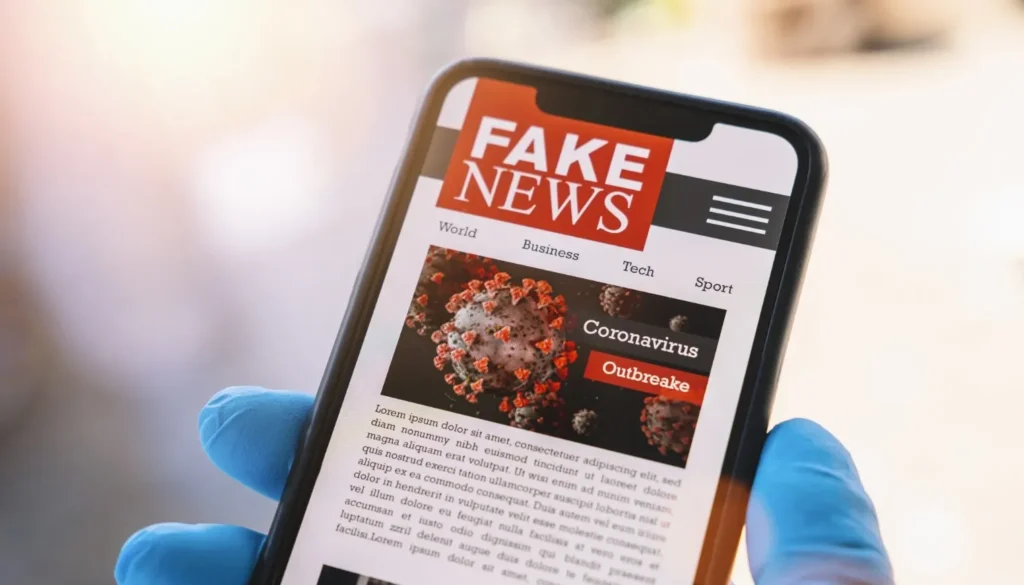
In today’s digital age, trending news has become a powerful force shaping society and public opinion. With the rise of social media platforms, instant updates, and 24/7 news cycles, people are constantly exposed to breaking stories that can influence their beliefs, emotions, and behavior. Unlike traditional news, which was filtered through newspapers or television broadcasts, trending news spreads rapidly online, often within seconds. This immediacy and accessibility make trending stories more impactful, as they can spark global conversations, create social movements, or even cause misinformation to spread. Understanding how trending news affects society is crucial to evaluating both its benefits and drawbacks.
The Speed and Reach of Trending News
One of the most notable impacts of trending news is its speed of dissemination. A single post, tweet, or video can reach millions of people worldwide in minutes. This rapid spread ensures that people are informed about major events almost instantly. For instance, natural disasters, political announcements, or celebrity scandals often dominate online platforms, quickly becoming part of global conversations.
While this speed keeps people updated, it also increases the chances of misinformation spreading. Rumors or unverified claims can go viral before fact-checkers intervene, leading to public confusion or unnecessary panic. In this way, the speed and reach of trending news act as a double-edged sword—providing quick access to information but also amplifying inaccuracies.
Shaping Public Opinion
Trending news plays a crucial role in shaping public opinion. People often rely on news to form views about politics, social justice, health, and culture. When certain stories dominate the headlines, they influence what individuals discuss and prioritize.
For example, movements like #MeToo and Black Lives Matter gained momentum partly because they trended globally, bringing issues of gender equality and racial justice to the forefront. The widespread coverage encouraged conversations at both community and governmental levels, leading to policy changes and cultural shifts.
However, the framing of trending news also matters. The way media outlets present information can influence public interpretation. Biased headlines, selective reporting, or emotional language may steer people toward a particular viewpoint, whether accurate or not. Thus, trending news not only informs but also persuades and sometimes polarizes societies.
The Role of Social Media
Social media platforms have transformed the way trending news is consumed. Platforms like Twitter, Facebook, TikTok, and Instagram amplify stories through likes, shares, and hashtags. These platforms often rely on algorithms that prioritize engaging content, which means sensational or emotionally charged stories tend to trend more often than factual but less dramatic ones.
This phenomenon creates what is known as an “echo chamber,” where individuals are exposed mainly to news that aligns with their existing beliefs. As a result, trending news can reinforce biases and limit exposure to diverse perspectives. While social media democratizes news distribution—allowing anyone to share a story—it also raises concerns about accuracy, reliability, and manipulation.
Psychological Impact on Society
Trending news also has a profound psychological effect on individuals. Constant exposure to breaking stories, especially those involving crises, violence, or controversy, can lead to anxiety, stress, or a sense of helplessness. This is sometimes referred to as “headline stress disorder”, where people feel overwhelmed by the negative tone of daily news.
On the other hand, positive trending stories—such as acts of kindness, breakthroughs in science, or inspiring human achievements—can uplift societies and foster unity. For example, during the COVID-19 pandemic, stories of frontline workers, vaccine breakthroughs, and global solidarity inspired hope despite widespread fear.
Thus, trending news affects not only what people think but also how they feel, shaping the emotional climate of societies.
Economic and Political Consequences
Trending news often has economic and political consequences. In the financial sector, news about market changes, company scandals, or geopolitical conflicts can cause stock prices to fluctuate dramatically. Public opinion, shaped by such news, may also affect consumer behavior, brand reputation, and trust in institutions.
Politically, trending news can determine election outcomes, influence policy debates, and even spark protests. For instance, a viral news story about corruption can erode trust in leadership, while positive coverage of a candidate can boost their popularity. Politicians often leverage trending news to push agendas, knowing that public opinion is highly sensitive to the stories circulating online.
The Danger of Misinformation
One of the greatest challenges of trending news is the spread of misinformation and fake news. Because trending stories prioritize engagement over accuracy, false claims can gain traction before being debunked. This can mislead the public, create division, and undermine trust in legitimate news sources.
For example, misinformation during elections or health crises can have severe consequences, from influencing voting behavior to discouraging vaccination. Once misinformation spreads, correcting it becomes difficult, as people often cling to initial impressions even after corrections are issued.
Benefits of Trending News
Despite its challenges, trending news also provides several benefits to society:
- Awareness: It ensures people are quickly informed about important events.
- Engagement: It encourages public participation in social and political issues.
- Accountability: Viral stories often hold individuals, companies, or governments accountable.
- Solidarity: Shared news stories can unite people in times of crisis or celebration.
In this way, trending news serves as a catalyst for awareness, dialogue, and collective action.
Balancing Freedom and Responsibility
To harness the benefits of trending news while minimizing risks, balance is necessary. Media outlets, social platforms, and consumers all share responsibility. Journalists must adhere to ethical reporting, verifying facts before publishing. Social media companies should improve algorithms to prioritize accuracy over virality. Individuals must also practice media literacy—questioning sources, fact-checking information, and avoiding blind trust in trending stories.
Educational programs on media literacy can empower people to critically analyze news, distinguish fact from opinion, and make informed decisions. By promoting responsible consumption, societies can reduce the harmful effects of misinformation and polarization.
Conclusion
The impact of trending news on society and public opinion is undeniable. It shapes how people think, what they feel, and the decisions they make. While it fosters awareness, accountability, and engagement, it also carries risks such as misinformation, bias, and psychological stress. In a world where trending news influences everything from elections to cultural movements, society must find a balance between speed and accuracy, freedom and responsibility.
Ultimately, trending news is not just about headlines—it is about the collective consciousness of society. By approaching it with critical thinking and responsibility, individuals and institutions can ensure that trending news serves as a tool for progress rather than division.